


















NFL faces growing pressure after Supreme Court backs Brian Flores fight over alleged racial discrimination and unfair hiring
On March 21, 2022, the Supreme Court made a decision that sent shockwaves through the sports world. The highest court in the land declined to review the NFL’s appeal in Brian Flores’ racial discrimination case, allowing the lawsuit to continue in court. This decision marked a significant moment in the ongoing battle for racial equality and justice in professional sports.
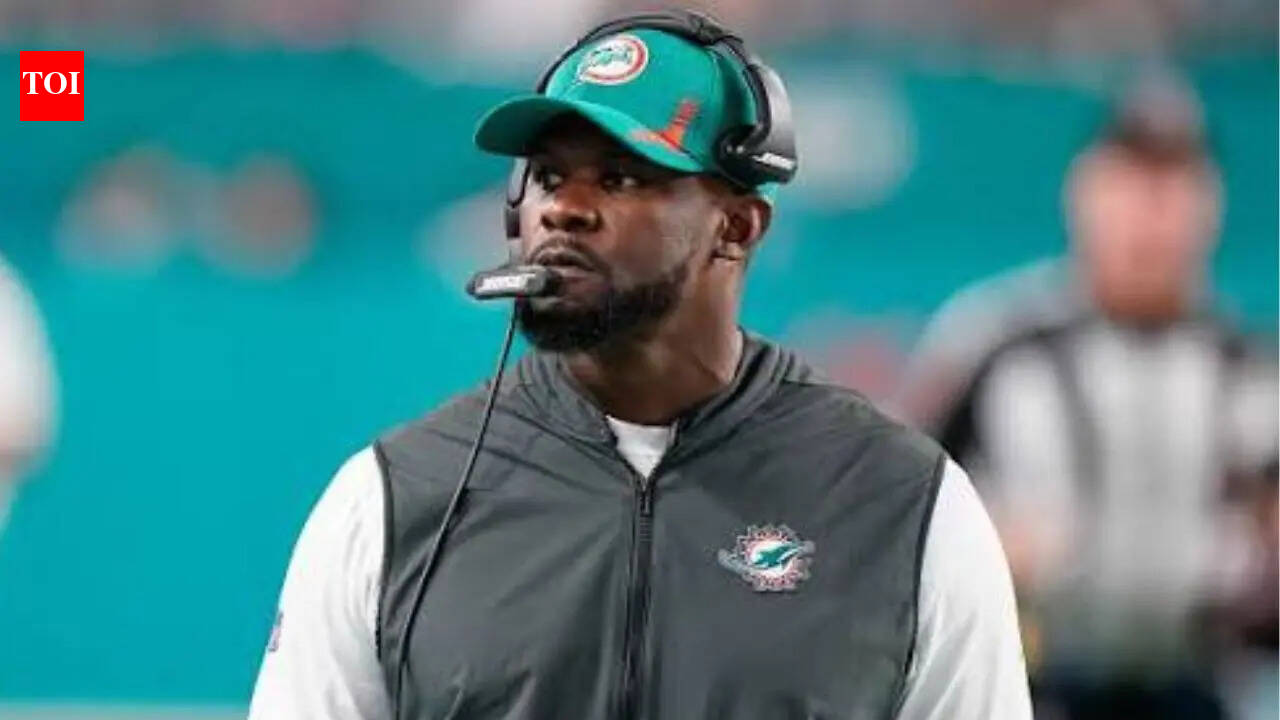
Brian Flores, the former head coach of the Miami Dolphins, filed a lawsuit against the NFL and three of its teams – the Miami Dolphins, New York Giants, and Denver Broncos – alleging racial discrimination and unfair treatment during coaching decisions. Flores, who is African American, claimed that he was passed over for head coaching opportunities because of his race and that he was subjected to a hostile work environment based on his race.
The NFL has long been criticized for its lack of diversity in coaching positions, with only a small percentage of head coaches being people of color. Despite the league’s efforts to address this issue, progress has been slow, and cases like Flores’ only serve to highlight the systemic issues that still exist within the organization.
In his lawsuit, Flores detailed several instances where he believed he was discriminated against because of his race. He claimed that he was denied interviews for head coaching positions that were given to less qualified white candidates, and that he was subjected to racist comments and behavior from team executives and other coaches.
Flores also alleged that he was fired from his position as head coach of the Dolphins because he refused to tank games in order to secure a higher draft pick. He claimed that this directive came from team owner Stephen Ross, who wanted to secure a top draft pick in order to select a quarterback in the upcoming draft.
The decision by the Supreme Court to allow Flores’ lawsuit to continue was a major victory for him and for the cause of racial equality in professional sports. It sent a clear message that discrimination and racism have no place in the NFL or any other professional sports organization, and that those who engage in such behavior will be held accountable.
The NFL, for its part, has denied Flores’ allegations and has vowed to vigorously defend itself in court. The league has stated that it is committed to diversity and inclusion and that it takes allegations of discrimination seriously. However, many critics believe that the NFL has not done enough to address the lack of diversity in coaching positions and that more needs to be done to ensure equal opportunities for all coaches, regardless of their race.
The decision by the Supreme Court to allow Flores’ lawsuit to continue has also raised questions about the role of the judiciary in addressing issues of racial discrimination in professional sports. While the court’s decision is a positive step forward, some critics argue that the legal system is not equipped to fully address systemic issues of racism and discrimination in sports and that more needs to be done at the organizational level to ensure equality and justice for all coaches and players.
In the wake of the Supreme Court’s decision, many current and former NFL players and coaches have come out in support of Flores and his fight for justice. They have called on the league to take concrete action to address issues of racism and discrimination and to ensure that all coaches and players are treated fairly and equitably.
The NFL, for its part, has announced that it will conduct an internal investigation into Flores’ allegations and that it will take appropriate action based on the findings of that investigation. The league has also stated that it is committed to working with Flores and other stakeholders to address issues of racial equality and justice in professional sports.
The decision by the Supreme Court to allow Flores’ lawsuit to continue is a reminder that the fight for racial equality in professional sports is far from over. It is a call to action for the NFL and other sports organizations to do better, to be more inclusive, and to ensure that all coaches and players are given equal opportunities to succeed, regardless of their race.
In conclusion, the Supreme Court’s decision in Brian Flores’ racial discrimination case is a significant moment in the ongoing battle for racial equality in professional sports. It sends a clear message that discrimination and racism have no place in the NFL or any other professional sports organization, and that those who engage in such behavior will be held accountable. It is a call to action for the NFL and other sports organizations to do better, to be more inclusive, and to ensure that all coaches and players are given equal opportunities to succeed, regardless of their race. The fight for racial equality in sports is far from over, but with continued efforts and activism, real change is possible.
Source: The Times of India

























 LIVE
LIVE LIVE
LIVE