

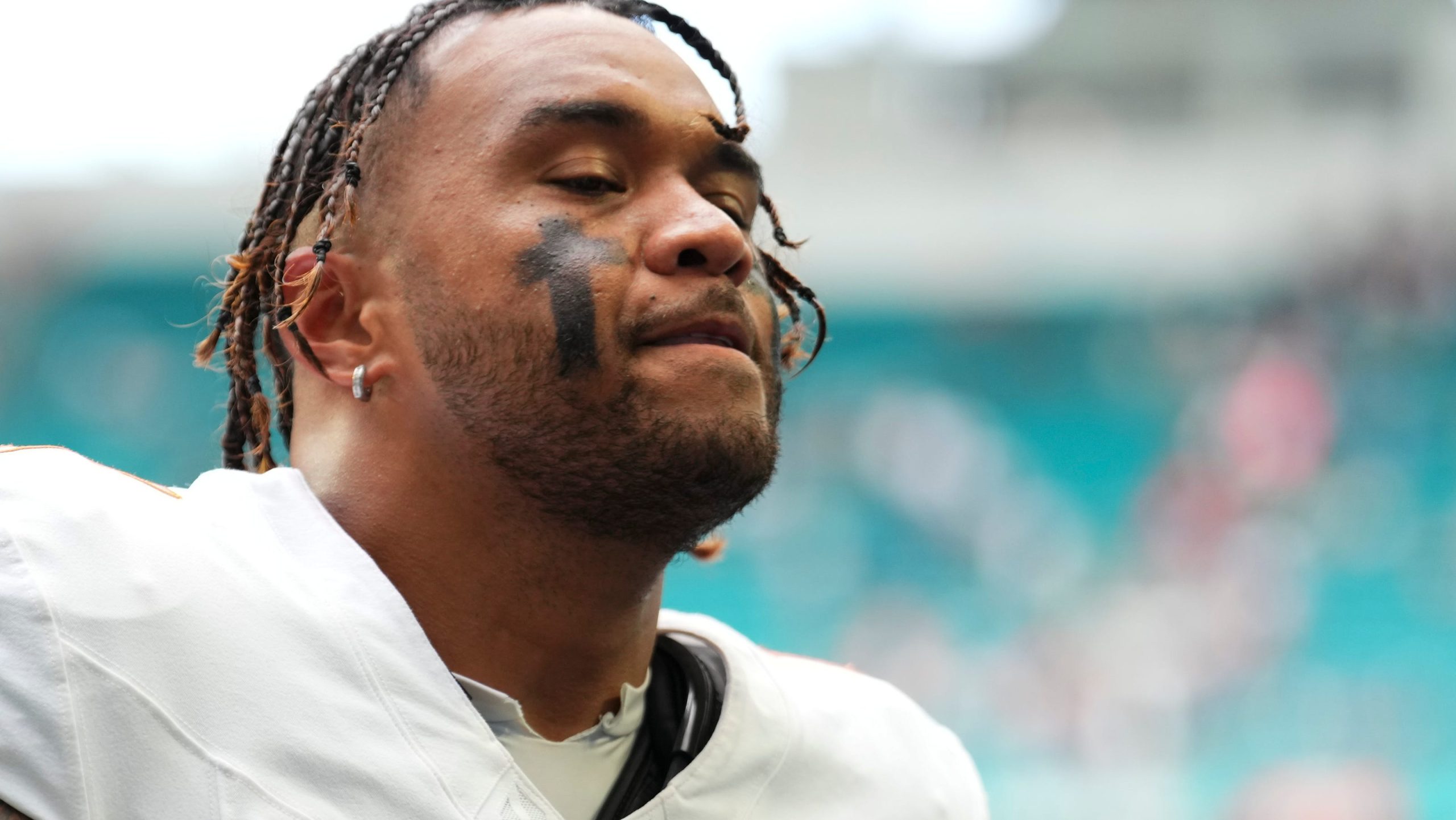
Tua Tagovailoa explains Miami Dolphins player meetings call-out
Miami Dolphins quarterback Tua Tagovailoa recently made headlines when he called out his teammates for their constant lateness to player meetings. This move was met with a mix of support and criticism from fans, analysts, and fellow players alike. Some applauded Tagovailoa for taking a leadership role and holding his teammates accountable, while others felt that he was being too harsh and should have handled the situation differently.
In the world of professional sports, leadership is a quality that is highly valued and often scrutinized. Quarterbacks, in particular, are expected to be the leaders of their teams both on and off the field. They are responsible for rallying their teammates, making split-second decisions, and setting an example for others to follow. When Tagovailoa spoke out about his teammates’ tardiness, he was demonstrating his commitment to the team and his desire to see everyone perform at their best.
However, not everyone saw it that way. Some critics argued that Tagovailoa should have kept his concerns private and addressed the issue in a more diplomatic manner. They felt that calling out his teammates in a public forum was unprofessional and could potentially damage team chemistry. Others questioned Tagovailoa’s standing as a second-year player and wondered if he had earned the right to criticize his more experienced teammates.
In response to the backlash, Tagovailoa issued a statement clarifying his comments and explaining his motivations. He emphasized that his intention was not to embarrass or shame his teammates, but rather to hold them accountable and push them to be better. Tagovailoa acknowledged that he is still learning and growing as a leader, but he believes that open communication and honesty are essential for a successful team dynamic.
The incident has sparked a larger conversation about leadership in the NFL and how players should handle internal conflicts. Some former players and coaches have come forward to offer their support for Tagovailoa, commending him for taking a stand and showing his dedication to the team. Others have used this as an opportunity to criticize the culture of professional sports and the pressure that young players face to conform to certain expectations.
Ultimately, the situation with Tagovailoa and his teammates serves as a reminder that leadership is a complex and evolving process. It requires a delicate balance of assertiveness and empathy, of holding others accountable while also understanding their perspectives. Tagovailoa’s willingness to speak up and address issues within the team shows that he is committed to his role as a leader and is willing to do whatever it takes to help his team succeed.
As the Miami Dolphins continue their season, it will be interesting to see how Tagovailoa’s leadership style evolves and how his teammates respond to his calls for accountability. Whether you agree with his methods or not, one thing is clear: Tua Tagovailoa is a player who is unafraid to speak his mind and take a stand for what he believes in. And in a league that values strong leadership, that is a quality that should be celebrated.
Source: Palm Beach Post















 LIVE
LIVE LIVE
LIVE


